Author: Samantha Vaughn
Premier Content Partner Spotlight: Help Me 2 Learn An Interview with Owner Dan Sheffield
Premier Content Partner Spotlight:
Help Me 2 Learn
An Interview with Owner Dan Sheffield

At AWE Learning, we’re passionate about providing fun, educational digital experiences for young learners, and that means partnering with the best in the industry. One of our standout content partners is Help Me 2 Learn!
Help Me 2 Learn has a long-standing commitment to making learning enjoyable and effective for children. Founded with the goal of combining education with technology in a meaningful way, they’ve developed award-winning programs that teach essential reading, phonics, math, and English language skills. Their interactive, game-based learning approach is built to engage children and reinforce key concepts in a fun, memorable way.
Through our partnership, Help Me 2 Learn’s dynamic content is seamlessly integrated into AWE Learning’s digital platform, making it available to young learners in libraries, classrooms, and other educational settings across the country. This collaboration ensures kids have access to research-based, developmentally appropriate tools that support foundational skill development and lifelong learning.
Together, AWE Learning and Help Me 2 Learn are helping educators inspire confidence, creativity, and curiosity in every child.
Q: What inspired the creation of Help Me 2 Learn, and how has your mission evolved since its inception?
Help Me 2 Learn: The inspiration behind Help Me 2 Learn stemmed from the simple joy of music. I discovered the Twin Sisters songs and was struck by how effectively they captured children’s attention and made learning fun. That sparked an idea—what if we built an entire educational experience around this kind of engaging, playful learning?
So we expanded on that foundation. We added lyrics, interactive content, games, and activities—all designed to reinforce early learning in a way that feels more like play than work. Our ‘Learn the Words’ vocabulary builder and the ‘Super Star Motivational and Data Tracking System’ became core to the experience, helping kids track progress and stay motivated.
Over time, we noticed that as students grew older, they began to outgrow the sing-along format. That led us to evolve. We introduced our Super Star Kids characters, who guide students through lessons with animated presentations. These enhancements ensure our platform continues to meet learners where they are—engaged, curious, and ready to succeed.
Q: With a focus on phonics, early learning, math, and language arts, how do you ensure the content remains engaging and effective for elementary students?
Help Me 2 Learn: While the core principles of early education haven’t changed much, the ways we teach—and how students engage—definitely have. That’s where Super Star by Help Me 2 Learn stands out. Our lessons are designed to be flexible and versatile. Teachers can use them for whole-class presentations, game-based competitions, or independent learning time.
What really makes our content stick is its structure. Every lesson includes a mix of multimedia: a song or animated explanation to introduce the concept, a ‘Learn the Words’ activity for vocabulary and phonics practice, and interactive games to reinforce learning. The variety keeps students engaged, and the repetition builds mastery.
We’re not here to replace teachers—we’re here to support them with tools that make learning more dynamic, inclusive, and fun.
Q: Can you elaborate on how Help Me 2 Learn personalizes learning experiences to cater to individual student needs?
Help Me 2 Learn: Personalization is built into the DNA of Super Star. Each student logs in with their own account, and from that moment, their learning journey is tracked and celebrated through our Super Star Motivational and Data Tracking System.
As students complete activities, songs, and games, they earn silver or gold stars based on their performance. If they make a few mistakes, they earn a silver star, but they’re always encouraged to try again for gold. This simple system not only provides immediate feedback but also creates a sense of achievement and motivation.
We’ve also designed flexibility into the system. Teachers can adjust difficulty levels or allow more leniency for students who need it. Some of our games even include alternative quizzes for those who might find certain activities challenging. It’s all about giving each child a path to
succeed—at their own pace, in their own way.
Q: How does the platform support multilingual education, and what languages are currently available?
Help Me 2 Learn: While our platform is currently available only in English, its design is incredibly supportive of multilingual learners. A standout feature is our “Learn the Words” activity, which breaks down words visually and phonetically. Students see the word, hear it pronounced, view an image of it, and explore its phonemic structure using Elkonin boxes—those familiar letter blocks that help learners connect sounds with spelling.
This interactive multisensory approach helps English language learners build vocabulary and phonics skills with minimal reliance on translation. In our higher-level courses, we expand these tools to explore syllables and full sentences, further supporting language development.
In fact, this methodology has made our program popular internationally, especially in China. With some localized adaptations, our platform has found enthusiastic audiences abroad—proof that effective teaching tools can transcend language barriers.
Q: In what ways does Help Me 2 Learn accommodate students with special educational needs to ensure inclusivity?
Help Me 2 Learn: We’re incredibly proud of the positive impact our courses have had on students with special educational needs. Our system is designed to be accessible, engaging, and—perhaps most importantly—self-paced. Students can explore lessons at their own speed, without the pressure of keeping up with peers or rushing to finish.
One of the most rewarding moments was when a parent of a special needs student reached out after a technical issue disrupted their child’s learning. The urgency in that call showed how meaningful the program had become to that student. Once we addressed the problem, their joy was immediate—it was a moment that reminded us of why we do what we do.
In addition to the motivational gold and silver stars, we provide alternative options—like simplified quizzes—when games may be too challenging. This flexibility helps every learner find a way to succeed. As one longtime fan (who began using Super Star as a child with special needs and is now an adult) recently shared, “Super Star kids are fun, funny, and entertaining for kids. I love Super Star Games.” That’s the kind of feedback that stays with you.
Q: Could you share insights into how educators can monitor student progress and utilize the provided pedagogical recommendations?
Help Me 2 Learn: We’ve designed Super Star with educators in mind from the very beginning. As the platform evolved from CD-ROMs to networked school environments, we added robust teacher tools that make it easy to track progress and adapt instruction.
Teachers can access both class-wide and individual student reports, including pre- and post-tests, and adjust course settings for differentiated instruction. There are controls to manage game repetition (so students don’t just replay their favorites), assign specific lessons, and adjust difficulty levels as needed.
To help teachers make the most of these features, we provide an in-depth Teacher & Admin Resources course, complete with video tutorials and written guides. Our goal is to empower educators with both insight and flexibility—so they can tailor learning to each student’s needs while maximizing classroom impact.
Q: What role does the Super Star Motivational and Data Tracking System play in enhancing the educational content and experience on the platform?
Help Me 2 Learn: The Super Star Motivational and Data Tracking System is the heart of our learning experience. It transforms practice into progress and builds a sense of achievement that keeps students coming back.
Every activity—whether it’s a song, game, or vocabulary exercise—offers immediate feedback. A few mistakes? That’s a silver star. Try again and get it all right? You earn a gold star. Students can view their accumulated stars on the Super Star screen, which creates a strong visual record of their success.
And it’s not just about stars—many students are highly motivated by the printable certificates of achievement they earn after completing a course. Teachers often display these certificates in classrooms, turning learning into something celebratory and visible.
Without this system, our lessons might just be another set of digital activities. But with it, we’ve created a motivational loop that supports growth, encourages perseverance, and makes learning feel like an accomplishment.
Q: How does Help Me 2 Learn align its content with various educational curricula to support classroom learning effectively?
Help Me 2 Learn: Aligning with educational standards can be challenging, given the diversity of teaching philosophies and state requirements. However, we’ve worked hard to make sure our content is classroom-ready and standards-aligned.
Our lessons are aligned to Common Core standards, and those connections are clearly documented in our User Guide and Lesson Plans. This makes it easy for educators to integrate our materials into existing curriculum maps.
More recently, we’ve also found strong alignment with the Science of Reading approach, which emphasizes structured phonics and evidence-based literacy instruction. Many of our core components—especially our phonics lessons and “Learn the Words” activities—fit naturally within this framework.
In short, our focus has always been on building foundational skills. That hasn’t changed. What has changed is how we present and support those skills to align with current best practices in education.
Q: What feedback have you received from educators and parents regarding the platform’s impact on student engagement and learning outcomes?
Help Me 2 Learn: The feedback we’ve received over the years has been incredibly rewarding. Educators often tell us that our platform helps “wake up” reluctant learners. The mix of music, games, and interactive lessons helps capture attention and build confidence—especially in students who may struggle with traditional methods.
Parents have shared stories of kids asking to “play” our lessons at home, sometimes not even realizing they’re learning because the experience feels so fun and engaging. One mom told us that our courses helped her child finally understand phonics concepts that had been elusive in the classroom. Stories like that remind us why we created Help Me 2 Learn in the first place.
We’ve also received several awards for educational excellence, and we regularly post testimonials from teachers, parents, and even students on our website. Their experiences continue to inspire us as we develop and refine our content.
Q: How does Help Me 2 Learn incorporate gamification to make learning more interactive and enjoyable for students?
Help Me 2 Learn: Gamification is at the core of what we do. Our courses aren’t just sprinkled with games—they are built around them. Each lesson includes interactive, educational games that reinforce what’s being taught. And these aren’t just any games—they’re thoughtfully designed to blend fun with learning.
Our games feature animation, sound effects, characters, and point systems—all the elements kids love in video games. But they also require real understanding to win. Before students jump into a game, they work through the vocabulary and concepts they’ll need to succeed. That way, the gameplay feels like a reward and reinforces mastery.
One standout is our “Board Breaking Game,” where students split words into syllables in a martial-arts-themed activity. It’s one of the most popular among kids—and educators love it because it teaches while it entertains. And of course, each game offers the chance to earn a gold star, which keeps motivation high.
Q: Can you discuss any partnerships or collaborations that have been instrumental in expanding Help Me 2 Learn’s reach and effectiveness?
Help Me 2 Learn: We’ve been fortunate to partner with organizations that share our passion for educational excellence. One of our most enduring collaborations is with AWE Learning, which has helped us bring our content to libraries across the United States. This has made our courses accessible to thousands of children beyond the traditional classroom.
Internationally, we’ve built a strong relationship with an English instructor and her team in China. With some custom localization, they’ve introduced our platform to a wide audience, selling thousands of subscriptions each month. Their students particularly enjoy our ‘Learn the Words’ activities and syllable-splitting games.
These partnerships have not only expanded our reach but also provided valuable insights into how children learn in different cultural and linguistic contexts—insights that continue to shape our future development.
Q: Looking ahead, what are your future plans for Help Me 2 Learn in terms of content development, technological advancements, or global expansion?
Help Me 2 Learn: We’ve come a long way since launching our first CD-ROM, Letters and Numbers, back in 2000. Since then, we’ve evolved with technology—offering downloadable versions, Flash-based online learning, and now modern HTML5 content that works across devices. Currently, we’re focused on converting our final few Flash-based courses into HTML5 to ensure full compatibility for today’s classrooms and devices.
Internationally, we’re seeing growing success in China and are eager to expand into other global markets. We’re actively seeking teachers and educational partners in new countries to help us localize and scale the platform.
In terms of content, we plan to deepen our offerings in language arts and early math while continuing to innovate our motivational systems and game-based learning tools. Our mission remains the same: to make foundational learning joyful, accessible, and effective for every student, everywhere.
Enjoy our blog? Subscribe here to receive our quarterly newsletter featuring a new blog directly in your inbox!
Learn more about AWE Learning with your local representative to explore your options.
info@awelearning.com (610) 833-6400
The Modern Librarian: Passion Meets Purpose
The Modern Librarian:
Passion Meets Purpose

In 2025, children’s librarians stand at a pivotal crossroads where literacy, technology, and community engagement converge. Their mission to inspire young learners is challenged by budget constraints, censorship pressures, and the complexities of digital transformation. This white paper explores the evolving role of children’s librarians, the pain points they face, and how AWE Learning supports their journey through guided discovery platforms and broad educational tools.
The 2025 Children’s Librarian
Children’s librarians are more than information stewards; they are architects of imagination and champions of intellectual freedom. They:
- Foster early literacy and lifelong learning.
- Design inclusive, culturally responsive programming.
- Collaborate with educators, caregivers, and families.
- Advocate for access to diverse materials and ideas
Yet, the emotional labor and operational demands of the profession continue to stretch these dedicated professionals thin.
Pain Points in 2025
The landscape of library services has shifted dramatically. Key challenges include:
- Funding Cuts: Reduced budgets limit programming, staffing, and technology upgrades.
- Censorship Pressures: Increasing scrutiny threatens access to inclusive content.
- Digital Demands: Constant adaptation to new tools and platforms is required.
- Burnout: Emotional labor and rising expectations contribute to fatigue.
- Hybrid Spaces: Balancing physical and digital environments strains resources.
AWE Learning: Guiding Discovery
AWE Learning’s Early Literacy Workstations are designed to alleviate these burdens. Our platforms offer:
- Safe, structured environments for exploration.
- Flexible content aligned with STREAM and seasonal themes.
- Tools that empower librarians to focus on their mission.
Accessible and Developmentally Appropriate Content
Our content supports a wide range of learning styles:
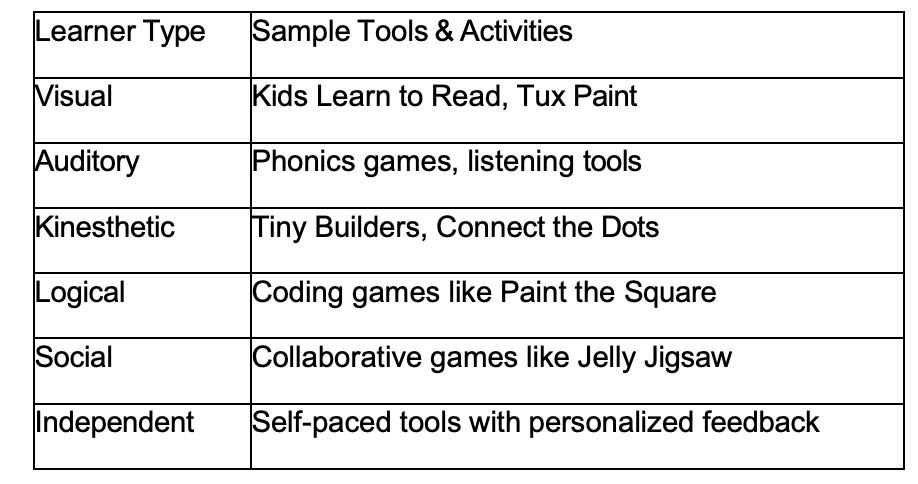
Healthy Screen Time with Built-In Boundaries
AWE Learning promotes responsible digital engagement through:
- Session time limits to encourage healthy habits.
- Thematic content organization for seamless programming integration.
- Personalized Education Plans (PEPs) tailored by age, subject, and language.
Libraries as Launchpads for Citizenship
Libraries are foundational to civic development. Our platforms nurture:
- Digital responsibility in safe environments.
- Empathy and collaboration through shared experiences.
- Confidence and independence through self-guided learning.
AWE Learning: A Trusted Partner
We help librarians thrive in challenging times:
- Save time with ready-to-use programming.
- Scale impact with inclusive, multi-style content.
- Stay supported with ongoing technical and user assistance.
- Make data-driven decisions with real usage reports.
Ready to Empower Your Library?
Let AWE Learning help transform your library into a hub of discovery, safety, and joy for your youngest patrons.
- Stay supported with ongoing technical and user assistance.
- Make data-driven decisions with real usage reports.
Our promise is simple: Inspiring Discovery. Preparing Lives.®
Enjoy our blog? Subscribe here to receive our quarterly newsletter featuring a new blog directly in your inbox!
Learn more about AWE Learning with your local representative to explore your options.
info@awelearning.com (610) 833-6400
Summer 2025 Newsletter
Q2 2025 Newsletter
At the Library: The importance of early literacy and library resources
At the Library: The importance of early literacy and library resources
Educational Screen Time
Educational Screen Time

In the age of technology, screens have become a part of adults’ and children’s lives. While excessive screen time for young children has received much criticism, recent studies are beginning to show how screen time is utilized in a child’s cognitive development. Since 2020, Researchers found that educational screen time provides the most benefit, showing positive effects on children’s persistence and educational outcomes while also having no significant impact on health. Interactive screen time, which includes time spent playing video games, showed positive educational outcomes but was associated with poorer health.
AWE Learning’s mission is to inspire an enthusiasm for learning by supporting school readiness and literacy in the community. AWE Learning has more than 25 years of experience providing early childhood literacy resources to public libraries and other community organizations. AWE Learning is Kid-Safe Certified and promotes reasoning and strategic thinking through creative play with Award-Winning Educational content, such as “Geometry Shapes”, “Graphing Puzzle” and “Kids Learn to Sort”.
A longitudinal study published in 2020 looked at cognitive and emotional functioning in children over time, between age 4 and 8, measured against their daily screen time. The study found excessive screen time led to “emotional dysregulation and negatively affected mathematics and literacy in school-age students.” This has led to an increase in parents, teachers, librarians, and more to discourage children from using screens in any capacity, preventing opportunities to utilize digitalized educational content.
The solution to that issue might be simpler than expected. There are numerous ways to utilize a child’s screen time into a positive, educational experience. Several studies have shown that students understand concepts more thoroughly by actively engaging in the learning process. One of the best ways to do that is through applying game-based learning—i.e., using games as learning tools. Under a game-based learning framework, students master the subjects they are taught, and they have fun doing it, too.
Several proven benefits of game-based learning include:
- Make the learning process more fun and enjoyable.
- Promote active learning and critical thinking.
- Encourage true understanding and mastery of subjects.
- Help students learn more quickly.
- Help students retain what they’ve learned.
- Give immediate feedback on mistakes and explain how to correct them.
- Are more effective for neurodivergent students.
- Increase average grades and passing rates.
Julianna Miner, mom of three and author of “Raising a Screen-Smart Kid: Embrace the Good and Avoid the Bad in the Digital Age,” states, “If you think about screen time the way you think about nutrition, there’s like digital broccoli and digital ice cream.”
Per the Oxford Academic: “Some evidence suggests that interactive media, specific applications that involve contingent responses from an adult (i.e., timely reactions to what a child says or does), can help children learn. This responsiveness, when coupled with age-appropriate content, timing, and intensity of action, can teach new words to 24- month-olds. There is evidence too that interactive ‘learn-to-read’ apps and e-books can build early literacy by providing practice with letters, phonics, word recognition, and story comprehension. One recent study has suggested that tablet training with an educational 3-game app can foster sustained attention in children aged 3 to 4 years old. However, while screens may help with learning when quality content is co-viewed, preschoolers learn expressive language and vocabulary best from live, direct, and dynamic interactions with caring adults.”
As an early marker of developmental risk, language delay in preschoolers is a closely studied correlation of screen time. One recent meta-analysis clearly associated a greater quantity of screen use and exposure (including background TV) during infancy with lower language skills at 3 to 4 years of age.
AWE Learning’s solution is a collaborative effort by certified publishers who specialize in creating engaging, educational content for kids. A popular choice for young learners on AWE Learning solutions is content from Robogarden, a 2023 ASTech Award Finalist and multi-award-winning publisher that specializes in interactive, play-based learning that helps young children sharpen their coding skills, as well as develop their STEM skills.
AWE Learning Award Winning Content:
- Award-winning content partnered with “Gold Standard” software brand.
- The Association of Educational Publishers Distinguished Achievement Award-Grades K-5 for “BRAINtastic! Reading Success” -Ed Alive.
- The National Parenting Center’s Seal of Approval for “Multiplication Rap” – Rock N Learn.
- The National Parenting Center’s Seal of Approval for “Division Rap” – Rock N Learn.
- Apple App Store – Kids Education Games for “PopMath” – AppBlit.
- Creative Child Magazine – Preferred Choice Award for “Writing Strategies” -Rock N Learn.
- Wired magazine – Kids Choice for “Pop Geo” – AppBlit.
- Children’s Technology Review Editor’s Choice Awards for “Writing Wizard” and “Word Wizard” – L’Escapadou.
- Google Indie Games Showcase 2019 Finalist, Best Polish Mobile Game of the Year, MomoCon Best Indie Award for “Hexologic” – Mythic Owl.
- Parenting Hero Award for “Divido” – Mythic Owl.
Educational Screen time has numerous proven benefits to enhance the learning experience for young children!
The American Library Association revealed that 67% of public libraries are the only source providing free internet access and computers to their respective communities. With AWE Learning’s expertise and proven track record in delivering Award-Winning educational content to young learners Ages 2-12, AWE’s dedication to bringing the fun and joys of learning outside of the classroom and into public libraries and households remain the same!
Testimonials:
“This system adds value to the children’s program. Children today are growing up with technology all around them, and the more we can implement a technological aspect to a child’s learning, the more they’re going to respond to it.” – John Kelley, Executive Director, Phoenixville Library
“We have had two of these amazing computers for six years now, and if you want the highest quality computer games for young children AND the freedom for kids to enjoy them on their own (without staff restarting, troubleshooting, unplugging, and all the other issues that can come with game computers) then you may want to consider investing in an AWE computer!” – Cindy Christin, Supervisor, Children’s Services, Bozeman Public Library
“The AWE workstations help preschool students prepare for success in school and beyond. Our teachers appreciate the engaging content that supports early literacy and STEAM concepts.” – Lynn Newkirk, Owner, The Goddard School (West Carmel, IN)
References
Screen time and preschool children: Promoting health and development in a digital world | Pediatrics & Child Health | Oxford Academic (oup.com))_
https://scholarworks.uni.edu/cgi/viewcontent.cgi article=1909&context=grp
https://doi.org/10.1177/1476718X20969846
https://edtechmagazine.com/k12/esports
https://edtechmagazine.com/k12/article/2022/09/benefits integrating-technology-todaysk-12-classrooms-perfcon
Coding Games from Beginner to Professional Level | RoboGarden
Top Five Educational Screen Time Benefits
Enjoy our blog? Subscribe here to receive our quarterly newsletter featuring a new blog directly in your inbox!
Learn more about AWE Learning with your local representative to explore your options.
info@awelearning.com (610) 833-6400
Spring 2025 Newsletter
Q1 2025 Newsletter
Premier Content Partner Spotlight: Yellow Door An Interview with Owner Carole Mills
Premier Content Partner Spotlight:
Yellow Door An Interview
with Owner Carole Mills

AWE Learning is committed to providing engaging and educational digital experiences for young learners. As part of this mission, we are thrilled to highlight Yellow Door as one of our premier content partners.
Yellow Door is renowned for its innovative and interactive learning resources designed to foster creativity, literacy, numeracy, and problem-solving skills in early childhood education. Their content seamlessly integrates with AWE Learning’s platform, ensuring children have access to high-quality, hands-on learning activities in libraries, classrooms, and other educational environments.
Through this collaboration, AWE Learning continues to enhance its offerings with research-backed, engaging, and developmentally appropriate educational materials. We are excited to work alongside Yellow Door to support educators and inspire young minds to explore, learn, and grow.
Q: What is the history behind Yellow Door? How and why was it founded?
Yellow Door: Yellow Door was founded in 2006, and from the beginning, play has been at the heart of everything we do. We aim to spread the joy of play-based learning through resources that inspire, excite, and delight! Our products are well-loved and well-known for their quality, innovative design and open-ended nature.
We’re proud to offer a creative combination of resources in a variety of formats, from digital software to hands-on resources made from natural, quality materials like stone and sustainably sourced wood. Together, they provide rich educational opportunities for children to explore early learning concepts in hands-on, meaningful ways.
Q: Much of Yellow Door’s content is inspired by customer feedback. How essential is it for you and your team to receive feedback on your content and how it helps create or modify
content?
Yellow Door: It’s a privilege and a joy to be welcomed into early childhood environments to work with children and educators throughout the development process. To ensure the design, content, and appeal of new products offer optimum play value and learning opportunities, we talk to educators and children who offer a wealth of valuable ideas. This ensures the final products are
robust enough to deliver learning opportunities through early childhood play experiences. It’s wonderful to watch children play and see the additional value they get from the resources. Recently, our Fish – Sensory Play Stones were put to the test as they went on adventures, swimming in the muddy pond, hiding under the Play Shell, and then cleaned off as they sped down water shoots into a clean water tray! We watched the co-operation and collaboration as children
talked, imagined, explored, and learned from each other. Children’s curiosity about the natural world is limitless, and the nursery provided an indoor world of fish stories and activities to bring the fish indoors and extend their interest. On another occasion, the children tested our “Discover Dinosaurs” app and questioned, “Why don’t they roar?” “Can they walk?” and “What do they eat?” These questions further shaped the development of this successful app.
Q: Alphabet Pebbles is one of Yellow Door’s most popular titles. How did the feedback on this title help inspire other Sensory titles, as well as Science & Nature titles?
Yellow Door: Alphabet pebbles are a great example of how important testing and feedback are in the creation of Yellow Door products. We developed them back in 2008, and it was the first time we had tried to produce anything with stone.
We started by tampa printing with ceramic paint on real river stones. However, when we took them into Early Childhood environments, we quickly discovered that if you put anything on the surface of a stone, it can be ground off, especially when used in sand (just think about how sand is made), and who wouldn’t want to play with pebbles in sand? This started a challenging manufacturing journey, and we found we could only achieve the durability we wanted by engraving each letter shape into the surface of the stone and applying a non-fade paint to each letter by hand.
We’ve been making our alphabet pebbles and all our stone products that way ever since because there’s no other way to create a product with all the natural appeal of real stone that stands up to rigorous use in an early childhood environment.
The tactile, visual, and play appeal of these stones has been developed over many years into a wide range of sensory stones.
Our science and nature products have required creative innovation to develop familiar recognizable objects and shapes in a wide color palette with an appealing texture that meets all regulations and certification, so it’s safe for children 2 years and above.
Q: What are some new titles/projects that Yellow Door is currently working on that we can expect to see in 2025?
Yellow Door: We have many exciting products in development for later this year and early 2026. There will be a new addition to our best-selling “Let’s Roll” range and our popular Sensory Play Stones collection will continue to grow with new sets in our Mud Kitchen and Exploring the World ranges.
Other ideas are brand new, but we’re keeping them a secret for now! We’ll be using familiar materials and some new ones too, all while continuing to be environmentally aware in our choices.
We have recently launched a Discover Dinosaurs app and have a lovely idea for an app that we are working hard to make a reality, so look out for news on our website and register for email updates.
Q: Play is at the heart of Yellow Door’s mission. How important is play in early learning development?
Yellow Door: As Maria Montessori famously said, ‘Play is the work of the child.’ During a child’s formative years, play is the essential foundation upon which all learning and development are built. Through play, children make sense of the world, absorb new concepts, practice new skills, forge friendships, and develop confidence. It is a deeply enriching and therapeutic experience offering clarity, calm, and comfort while embedding essential life skills. The deeper the engagement, the stronger the connections – both in the brain and in the child’s understanding of the world.
Children are intrinsically drawn to the natural world and learn best when engaged with visually appealing, tactile resources. This is why so many of our products draw inspiration from nature and are weatherproof, durable, and designed to withstand robust, outdoor exploration.
From Traditional Tales books, apps, and wooden characters to our popular dinosaur and bug-themed collections, our products are designed to spark curiosity and nurture children’s innate drive for discovery.
The Yellow Door approach is to offer digital play experiences alongside physical play to deepen learning. Our apps have been structured to develop skills in line with early learning standards, using a variety of visual representations, animations, and simple interactions that put the child at the center of their own learning.
We create apps to add value and give children a positive experience of using technology as they learn and grow. Digital environments allow children to discover and play in an imaginary world, encouraging children to explore, investigate, and deepen their understanding in an interactive, hands-on way.
We also support educators with expert pedagogy, providing a collection of downloadable materials to support our resources, providing practical ways to inspire learning, extend play, and reinforce key learning concepts. Because when play is enriched with carefully curated resources, the learning stays with children long after the play has ended.
Enjoy our blog? Subscribe here to receive our quarterly newsletter featuring a new blog directly in your inbox!
Learn more about AWE Learning with your local representative to explore your options.
info@awelearning.com (610) 833-6400
El Centro Library introduces new AWE computers for young learners
El Centro Library introduces new AWE computers for young learners
How AWE Learning Promotes Diversity and Accessibility
How AWE Learning Promotes
Diversity and Accessibility

Multilingual Content
- Support for Non-English Speakers: AWE Learning offers content in multiple languages, including Spanish and French. This allows children from diverse linguistic backgrounds to access educational content in their native language, ensuring equitable learning opportunities.
- Language-Specific Tools: The workstations often include bilingual literacy tools that support both English and native-language learners, fostering dual-language development.
Culturally Responsive Content:
- Representation in Games and Stories: AWE Learning includes content that reflects various cultures, races, and backgrounds. Games and stories often feature diverse characters and environments, helping children see themselves reflected in the content they engage with and promoting a sense of belonging.
- Inclusive Learning Themes: The curriculum promotes themes that teach empathy, acceptance, and social awareness, helping children understand and appreciate diversity from a young age.
Accessibility Features:
- Adaptive Learning Tools: AWE Learning workstations include features like adjustable font sizes, closed captions, and screen readers to accommodate children with different learning needs and abilities. This ensures that children with disabilities can fully participate in the educational experience.
- Touchscreen Navigation: The use of large, easy-to-navigate touchscreens helps children with fine motor skill challenges, making the learning tools accessible to a broader range of learners.
Equitable Access to Resources:
- Free Use in Public Spaces: AWE Learning workstations are typically found in public libraries, community centers, and schools, providing free access to high-quality learning tools. This model ensures that children from low-income families or underserved communities have equal access to technology and educational content.
- No Internet Required: Since AWE Learning workstations function without internet access, they are accessible to communities with limited or no reliable internet, helping to bridge the digital divide.
Customizable Learning Pathways:
- Individualized Learning: The software allows for self-paced learning, so children with different learning speeds and styles can engage with the material in a way that suits them. This approach helps reduce educational inequalities by catering to diverse learning needs.
- Variety of Subject Areas: AWE Learning offers content across multiple subjects—math, reading, science, and art—ensuring that children with different interests and strengths can find engaging material.
Social and Emotional Learning (SEL):
- Promoting Inclusivity through SEL: Many of the interactive lessons focus on social and emotional learning, encouraging children to understand emotions, develop empathy, and build relationships. These skills are crucial in fostering a learning environment that values diversity and inclusion.
- Collaboration and Teamwork Games: Multiple activities promote collaborative play, where children work together on projects, reinforcing the value of diverse perspectives and cooperative problem-solving.
Gender-Neutral Design:
- Inclusive Content Design: The games and learning programs are designed with gender-neutral elements, avoiding stereotypical color schemes or themes. This ensures that all children feel equally welcome and engaged with the content, regardless of gender identity.
Enjoy our blog? Subscribe here to receive our quarterly newsletter featuring a new blog directly in your inbox!
Learn more about AWE Learning with your local representative to explore your options.
info@awelearning.com (610) 833-6400
