White Paper: Q4 2025


Bridging Language Gaps with AWE Learning’s
Bilingual Spanish Early Literacy Station ®

Across the United States, more than 5 million children are classified as English Language Learners (ELLs), representing over 10% of K–12 students. These learners—and their families—are navigating both academic and cultural transitions that directly impact educational success. Parents may face barriers in supporting their child’s English development due to limited language proficiency, access to resources, or rooted challenges.

This resource highlights the experiences of families with children who are ELLs, the vital role of schools and libraries, and how AWE Learning’s Bilingual Spanish Early Literacy Station ® offers developmentally appropriate tools to support language growth and lifelong learning.

The ELL Landscape in America

  • Growing Need: English Language Learners are one of the fastest-growing populations in U.S. schools.
  • Diverse Backgrounds: Families speak more than 400 languages nationwide, with Spanish the most common.
  • Educational Pressure: Students are expected to build English proficiency while keeping pace with grade-level benchmarks.
  • Family Challenges: Parents may struggle to provide at-home support due to limited English skills.

Challenges Families Face

  • Language Barriers: Parents may find it hard to help with schoolwork or communicate with teachers.
  • Limited Access to Resources: Few bilingual books, digital tools, or programs are readily available.
  • Learning Gaps: Students may need extra time and help to meet literacy milestones.
  • Balancing Languages: Families want to maintain their family’s languages while learning English skills.
  • Confidence & Participation: Children who are ELLs sometimes face stigma that impacts self-esteem, which affects learning.

How Schools and Libraries Help

  • Schools provide instruction but may not have enough tools to support every young learner.
  • Libraries are safe, welcoming spaces with bilingual programs, educational technology, and enrichment activities.
  • Libraries open their doors to eager young learners, giving them a quiet space to explore knowledge and develop skills to set them up for a personal growth journey.
  • Community Programs offer additional access to books, tools, and family learning opportunities.

The Bilingual Spanish Early Literacy Station® Advantage

The Bilingual Spanish Early Literacy Station ® from AWE Learning is a child-friendly workstation preloaded with educational software for children ages 2–12. For families with children who are English
Language Learners, it provides:

Multilingual Content

  • Activities that help children learn English while supporting their family’s languages.
  • Bilingual, picture-supported programs that improve comprehension.

Engaging and Developmentally Appropriate Tools

  • Activities for visual, auditory, hands-on, logical, social, and independent learners.
  • STREAM-focused content (Science, Technology, Reading, Engineering, Arts, Math).
  • Simple navigation allows children to learn on their own time.

Safe, Guided Discovery

  • No internet access is required to create a secure learning environment.
  • Built-in time limits to encourage healthy educational screen habits.

Family-Friendly Features

  • Activities that support parent–child learning, even when parents are still learning English.
  • Games and programs that build confidence.
  • Reporting tools for teachers and librarians to track progress.

Libraries as Launchpads for ELL Success

Libraries using the Bilingual Spanish Early Literacy Station ® report stronger engagement among families, higher participation in bilingual story times, and greater collaboration among staff, children, and caregivers, by offering ready-to-use resource. Libraries create welcoming spaces that help children build confidence and are able to grow academically.

Inspiring Discovery. Building Skills.

Families with children who are English Language Learners deserve accessible, engaging tools that support language learning and confidence. The Bilingual Spanish Early Literacy Station ® helps schools and libraries provide these opportunities— transforming challenges into moments of discovery and progress

Enjoy our blog? Subscribe here to receive our quarterly newsletter featuring a new blog directly in your inbox!

Learn more about AWE Learning with your local representative to explore your options. 
 
info@awelearning.com      (610) 833-6400 

White Paper: Q3 2025

In 2025, children’s librarians stand at a pivotal crossroads where literacy, technology, and community engagement converge. Their mission to inspire The 2024 National Assessment of Educational Progress (NAEP) results have sounded a nationwide alarm: over 65% of 4th graders are not proficient in reading or math. Despite historic federal investments in education recovery, the data shows a troubling decline in foundational literacy. This white paper explores how public libraries—and the professionals who power them—can lead the turnaround using scalable and developmentally appropriate tools like those offered by AWE Learning.

The Third-Grade Reading Crisis

  • Why it matters: By third grade, children transition from learning how to read to using reading as the tool for all future learning. Falling behind at this stage makes catching up exponentially harder.
  • The scope: Only about 31% of U.S. fourth graders are proficient readers. The rates are even lower for children from disadvantaged backgrounds.
  • The risk: Students who are not proficient by third grade are four times more likely to drop out of high school.

Why Early Learning is the Solution

Research consistently shows that early literacy development is one of the strongest predictors of long-term academic achievement. Early learning matters because:

  • Brain development peaks early: 90% of brain growth happens before age 5, making early exposure to language and literacy skills critical.
  • Early intervention is more effective: Gaps in phonics, vocabulary, and comprehension widen with each grade level. The earlier the intervention, the easier it is to close them.
  • Confidence builds early: Children who see themselves as “readers” in the early years approach school with confidence and curiosity.
  • Family and community engagement starts at a young age: Early learning environments encourage parents and caregivers to be part of the process, reinforcing skills at home.

How AWE Learning Supports Early Learning

AWE Learning’s solutions are designed specifically to address early literacy during the most critical years (ages 2–8).

  • Play-based literacy building: Games, activities, and stories that develop phonics, vocabulary, comprehension, and fluency.
  • Safe, focused environment: Standalone workstations keep children engaged in learning without online distractions.
  • Bilingual and accessible: Options in English, Spanish, and French support multilingual learners and expand equity of access.
  • STREAM-aligned content: Reading is integrated with science, technology, arts, and math to show children how literacy connects to every subject.
  • Engagement and motivation: Interactive, multimedia content sparks curiosity and joy motivating children to practice literacy skills consistently.

Early Learning in Action: AWE Implementation Models

Preschool & Kindergarten Classrooms: AWE stations provide literacy centers that introduce phonics and vocabulary in playful ways.

  • Public Libraries: Community hubs where children can access early learning opportunities beyond the school day.
  • Home & After-School Programs: AWE Learning helps families and caregivers reinforce literacy at home, bridging gaps in access.
  • Summer Learning: Keeps children engaged during breaks, reducing the “summer slide” that often widens reading gaps.

Recommendations for Success

Start early: Implement AWE Learning programs in Pre-K through Grade 3 classrooms and community spaces.

  • Pair with structured literacy: Use AWE to complement teacher-led phonics and evidence-based instruction.
  • Engaged families: Provide guidance for parents on using AWE as a tool for early learning at home.
  • Track outcomes: Use AWE’s reporting features alongside assessments to monitor growth in early literacy skills.

The third-grade reading crisis threatens the future of millions of children, but it doesn’t have to. Early learning is the answer. By investing in literacy before third grade, schools, libraries, and communities can change outcomes for students at risk of falling behind. AWE Learning is a proven partner in this mission. The Company’s Early Literacy Stations and digital resources give children the tools to build strong reading foundations early, setting them on a trajectory for lifelong learning and success.

Enjoy our blog? Subscribe here to receive our quarterly newsletter featuring a new blog directly in your inbox!

Learn more about AWE Learning with your local representative to explore your options. 
 
info@awelearning.com      (610) 833-6400 

White Paper: Q2 2025

In 2025, children’s librarians stand at a pivotal crossroads where literacy, technology, and community engagement converge. Their mission to inspire young learners is challenged by budget constraints, censorship pressures, and the complexities of digital transformation. This white paper explores the evolving role of children’s librarians, the pain points they face, and how AWE Learning supports their journey through guided discovery platforms and broad educational tools.

The 2025 Children’s Librarian

Children’s librarians are more than information stewards; they are architects of imagination and champions of intellectual freedom. They:

  • Foster early literacy and lifelong learning.
  • Design inclusive, culturally responsive programming.
  • Collaborate with educators, caregivers, and families.
  • Advocate for access to diverse materials and ideas

Yet, the emotional labor and operational demands of the profession continue to stretch these dedicated professionals thin.

Pain Points in 2025

The landscape of library services has shifted dramatically. Key challenges include:

  • Funding Cuts: Reduced budgets limit programming, staffing, and technology upgrades.
  • Censorship Pressures: Increasing scrutiny threatens access to inclusive content.
  • Digital Demands: Constant adaptation to new tools and platforms is required.
  • Burnout: Emotional labor and rising expectations contribute to fatigue.
  • Hybrid Spaces: Balancing physical and digital environments strains resources. 

AWE Learning: Guiding Discovery

AWE Learning’s Early Literacy Workstations are designed to alleviate these burdens. Our platforms offer:

  • Safe, structured environments for exploration.
  • Flexible content aligned with STREAM and seasonal themes.
  • Tools that empower librarians to focus on their mission.

Accessible and Developmentally Appropriate Content

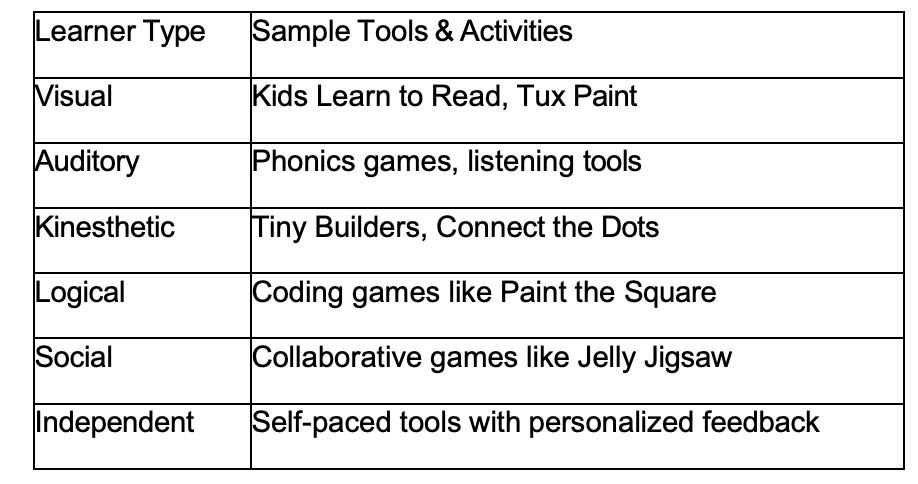
Our content supports a wide range of learning styles:

Healthy Screen Time with Built-In Boundaries

AWE Learning promotes responsible digital engagement through:

  • Session time limits to encourage healthy habits.
  • Thematic content organization for seamless programming integration.
  • Personalized Education Plans (PEPs) tailored by age, subject, and language.

Libraries as Launchpads for Citizenship

Libraries are foundational to civic development. Our platforms nurture:

  • Digital responsibility in safe environments.
  • Empathy and collaboration through shared experiences.
  • Confidence and independence through self-guided learning.

AWE Learning: A Trusted Partner

We help librarians thrive in challenging times:

  • Save time with ready-to-use programming.
  • Scale impact with inclusive, multi-style content.
  • Stay supported with ongoing technical and user assistance.
  • Make data-driven decisions with real usage reports.

Ready to Empower Your Library?

Let AWE Learning help transform your library into a hub of discovery, safety, and joy for your youngest patrons.

  • Stay supported with ongoing technical and user assistance.
  • Make data-driven decisions with real usage reports.

Our promise is simple: Inspiring Discovery. Preparing Lives.®

Enjoy our blog? Subscribe here to receive our quarterly newsletter featuring a new blog directly in your inbox!

Learn more about AWE Learning with your local representative to explore your options. 
 
info@awelearning.com      (610) 833-6400 

White Paper: Q1 2025

In the age of technology, screens have become a part of adults’ and children’s lives. While excessive screen time for young children has received much criticism, recent studies are beginning to show how screen time is utilized in a child’s cognitive development. Since 2020, Researchers found that educational screen time provides the most benefit, showing positive effects on children’s persistence and educational outcomes while also having no significant impact on health. Interactive screen time, which includes time spent playing video games, showed positive educational outcomes but was associated with poorer health.

AWE Learning’s mission is to inspire an enthusiasm for learning by supporting school readiness and literacy in the community. AWE Learning has more than 25 years of experience providing early childhood literacy resources to public libraries and other community organizations. AWE Learning is Kid-Safe Certified and promotes reasoning and strategic thinking through creative play with Award-Winning Educational content, such as “Geometry Shapes”, “Graphing Puzzle” and “Kids Learn to Sort”.

A longitudinal study published in 2020 looked at cognitive and emotional functioning in children over time, between age 4 and 8, measured against their daily screen time. The study found excessive screen time led to “emotional dysregulation and negatively affected mathematics and literacy in school-age students.” This has led to an increase in parents, teachers, librarians, and more to discourage children from using screens in any capacity, preventing opportunities to utilize digitalized educational content.

The solution to that issue might be simpler than expected. There are numerous ways to utilize a child’s screen time into a positive, educational experience. Several studies have shown that students understand concepts more thoroughly by actively engaging in the learning process. One of the best ways to do that is through applying game-based learning—i.e., using games as learning tools. Under a game-based learning framework, students master the subjects they are taught, and they have fun doing it, too.

Several proven benefits of game-based learning include:

  • Make the learning process more fun and enjoyable.
  • Promote active learning and critical thinking.
  • Encourage true understanding and mastery of subjects.
  • Help students learn more quickly.
  • Help students retain what they’ve learned.
  • Give immediate feedback on mistakes and explain how to correct them.
  • Are more effective for neurodivergent students.
  • Increase average grades and passing rates.

Julianna Miner, mom of three and author of “Raising a Screen-Smart Kid: Embrace the Good and Avoid the Bad in the Digital Age,” states, “If you think about screen time the way you think about nutrition, there’s like digital broccoli and digital ice cream.”

Per the Oxford Academic: “Some evidence suggests that interactive media, specific applications that involve contingent responses from an adult (i.e., timely reactions to what a child says or does), can help children learn. This responsiveness, when coupled with age-appropriate content, timing, and intensity of action, can teach new words to 24- month-olds. There is evidence too that interactive ‘learn-to-read’ apps and e-books can build early literacy by providing practice with letters, phonics, word recognition, and story comprehension. One recent study has suggested that tablet training with an educational 3-game app can foster sustained attention in children aged 3 to 4 years old. However, while screens may help with learning when quality content is co-viewed, preschoolers learn expressive language and vocabulary best from live, direct, and dynamic interactions with caring adults.”

As an early marker of developmental risk, language delay in preschoolers is a closely studied correlation of screen time. One recent meta-analysis clearly associated a greater quantity of screen use and exposure (including background TV) during infancy with lower language skills at 3 to 4 years of age.

AWE Learning’s solution is a collaborative effort by certified publishers who specialize in creating engaging, educational content for kids. A popular choice for young learners on AWE Learning solutions is content from Robogarden, a 2023 ASTech Award Finalist and multi-award-winning publisher that specializes in interactive, play-based learning that helps young children sharpen their coding skills, as well as develop their STEM skills.

AWE Learning Award Winning Content:

  • Award-winning content partnered with “Gold Standard” software brand.
  • The Association of Educational Publishers Distinguished Achievement Award-Grades K-5 for “BRAINtastic! Reading Success” -Ed Alive.
  • The National Parenting Center’s Seal of Approval for “Multiplication Rap” – Rock N Learn.
  • The National Parenting Center’s Seal of Approval for “Division Rap” – Rock N Learn.
  • Apple App Store – Kids Education Games for “PopMath” – AppBlit.
  • Creative Child Magazine – Preferred Choice Award for “Writing Strategies” -Rock N Learn.
  • Wired magazine – Kids Choice for “Pop Geo” – AppBlit.
  • Children’s Technology Review Editor’s Choice Awards for “Writing Wizard” and “Word Wizard” – L’Escapadou.
  • Google Indie Games Showcase 2019 Finalist, Best Polish Mobile Game of the Year, MomoCon Best Indie Award for “Hexologic” – Mythic Owl.
  • Parenting Hero Award for “Divido” – Mythic Owl.

Educational Screen time has numerous proven benefits to enhance the learning experience for young children!

The American Library Association revealed that 67% of public libraries are the only source providing free internet access and computers to their respective communities. With AWE Learning’s expertise and proven track record in delivering Award-Winning educational content to young learners Ages 2-12, AWE’s dedication to bringing the fun and joys of learning outside of the classroom and into public libraries and households remain the same!

Testimonials:

“This system adds value to the children’s program. Children today are growing up with technology all around them, and the more we can implement a technological aspect to a child’s learning, the more they’re going to respond to it.” – John Kelley, Executive Director, Phoenixville Library

“We have had two of these amazing computers for six years now, and if you want the highest quality computer games for young children AND the freedom for kids to enjoy them on their own (without staff restarting, troubleshooting, unplugging, and all the other issues that can come with game computers) then you may want to consider investing in an AWE computer!” – Cindy Christin, Supervisor, Children’s Services, Bozeman Public Library

“The AWE workstations help preschool students prepare for success in school and beyond. Our teachers appreciate the engaging content that supports early literacy and STEAM concepts.” – Lynn Newkirk, Owner, The Goddard School (West Carmel, IN)

References

Screen time and preschool children: Promoting health and development in a digital world | Pediatrics & Child Health | Oxford Academic (oup.com))_
https://scholarworks.uni.edu/cgi/viewcontent.cgi article=1909&context=grp
https://doi.org/10.1177/1476718X20969846
https://edtechmagazine.com/k12/esports
https://edtechmagazine.com/k12/article/2022/09/benefits integrating-technology-todaysk-12-classrooms-perfcon
Coding Games from Beginner to Professional Level | RoboGarden
Top Five Educational Screen Time Benefits

Enjoy our blog? Subscribe here to receive our quarterly newsletter featuring a new blog directly in your inbox!

Learn more about AWE Learning with your local representative to explore your options. 
 
info@awelearning.com      (610) 833-6400 

White Paper: Q4 2024

Multilingual Content

  • Support for Non-English Speakers: AWE Learning offers content in multiple languages, including Spanish and French. This allows children from diverse linguistic backgrounds to access educational content in their native language, ensuring equitable learning opportunities.
  • Language-Specific Tools: The workstations often include bilingual literacy tools that support both English and native-language learners, fostering dual-language development.

Culturally Responsive Content:

  • Representation in Games and Stories: AWE Learning includes content that reflects various cultures, races, and backgrounds. Games and stories often feature diverse characters and environments, helping children see themselves reflected in the content they engage with and promoting a sense of belonging.
  • Inclusive Learning Themes: The curriculum promotes themes that teach empathy, acceptance, and social awareness, helping children understand and appreciate diversity from a young age. 

Accessibility Features:

  • Adaptive Learning Tools: AWE Learning workstations include features like adjustable font sizes, closed captions, and screen readers to accommodate children with different learning needs and abilities. This ensures that children with disabilities can fully participate in the educational experience.
  • Touchscreen Navigation: The use of large, easy-to-navigate touchscreens helps children with fine motor skill challenges, making the learning tools accessible to a broader range of learners.

Equitable Access to Resources:

  • Free Use in Public Spaces: AWE Learning workstations are typically found in public libraries, community centers, and schools, providing free access to high-quality learning tools. This model ensures that children from low-income families or underserved communities have equal access to technology and educational content.
  • No Internet Required: Since AWE Learning workstations function without internet access, they are accessible to communities with limited or no reliable internet, helping to bridge the digital divide.

Customizable Learning Pathways:

  • Individualized Learning: The software allows for self-paced learning, so children with different learning speeds and styles can engage with the material in a way that suits them. This approach helps reduce educational inequalities by catering to diverse learning needs.
  • Variety of Subject Areas: AWE Learning offers content across multiple subjects—math, reading, science, and art—ensuring that children with different interests and strengths can find engaging material.

Social and Emotional Learning (SEL):

  • Promoting Inclusivity through SEL: Many of the interactive lessons focus on social and emotional learning, encouraging children to understand emotions, develop empathy, and build relationships. These skills are crucial in fostering a learning environment that values diversity and inclusion.
  • Collaboration and Teamwork Games: Multiple activities promote collaborative play, where children work together on projects, reinforcing the value of diverse perspectives and cooperative problem-solving.

Gender-Neutral Design:

  • Inclusive Content Design: The games and learning programs are designed with gender-neutral elements, avoiding stereotypical color schemes or themes. This ensures that all children feel equally welcome and engaged with the content, regardless of gender identity.

Enjoy our blog? Subscribe here to receive our quarterly newsletter featuring a new blog directly in your inbox!

Learn more about AWE Learning with your local representative to explore your options. 
 
info@awelearning.com      (610) 833-6400 

White Paper: Q3 2024

Early childhood education thrives on play-based discovery, fostering creativity, problem-solving, and social-emotional growth. In today’s digital age, libraries and technology platforms play a pivotal role in extending these experiences beyond classrooms. This whitepaper explores how guided technology solutions—such as AWE Learning’s Early Literacy Workstations—empower educators and librarians to deliver developmentally appropriate and engaging learning opportunities for children ages 2–12.

Play-based learning is the cornerstone of early childhood development. It nurtures curiosity, builds foundational literacy and STEM skills, and promotes lifelong learning habits. However, integrating technology into these experiences requires intentionality. The challenge is balancing digital engagement with healthy screen habits while ensuring easy and safe access.

Libraries have emerged as critical hubs for discovery learning, bridging gaps for families and communities. By combining curated technology resources with professional guidance, libraries can transform into launchpads for digital citizenship and school readiness. 

Educators and librarians face mounting challenges:

  • Funding constraints limit access to high-quality technology and programming.
  • Digital opportunity gaps persist, leaving some children without safe, structured digital experiences.
  • Burnout and workload pressures make it difficult for librarians to curate personalized learning.
  • Screen-time concerns demand solutions that prioritize healthy habits and developmental appropriateness.

Without strategic interventions, these challenges risk widening achievement gaps and limiting opportunities for early learners.

The solution lies in guided digital experiences that complement—not replace—traditional play. AWE Learning exemplifies this approach with its Early Literacy Station Platinum Version 4 solutions, offering:

  • 250+ STREAM-aligned titles and thousands of preloaded activities.
  • Personalized Education Plans (PEPs) for tailoring content by age, subject, or language. 
  • Built-in time limits and child-safe browsing to promote healthy screen use. 
  • Customizable content bundles for bilingual learners and broad developmental needs. 

These features enable librarians and educators to:

  • Align technology with storytimes, seasonal programs, and curriculum goals. 
  • Support multiple learning styles—visual, auditory, kinesthetic, logical, social, and solitary. 
  • Foster digital responsibility and computational thinking from an early age.

Benefits & Use Cases:

  • School Readiness: STREAM-aligned activities prepare children for academic success.
  • Makerspaces: Play-based learning and makerspaces share a common philosophy: learning through doing.
  • Community Engagement: Libraries become safe, vibrant spaces for families to explore technology together.
  • Healthy Digital Habits: Built-in boundaries ensure balanced screen time.

How Makerspaces and AWE Learning Complement STREAM Education:

  • Activities like Sid the Science Kid: States of Water allow students to experiment with concepts like matter and states in a playful way.
  • Coding games such as Fox Factory introduce programming logic through storytelling.
  • Interactive storybooks like Arthur’s Birthday build literacy while encouraging collaboration. 
  • Contraption Maker simulates engineering design challenges, reinforcing cause-and-effect reasoning. 
  • Creative titles like Tim the Fox—Mosaic and Drawing Animals let students design and express ideas visually.
  • Games like Math Doodles and Math Speed Racing Multiplication integrate math practice into fun, real-world scenarios.

Example 1: Contraption Maker (Ages 2–12) 

  • Description: Students build chain reactions and contraptions using virtual tools.
  • Play-Based Connection: Encourages experimentation, collaboration, and iterative design.
  • Makerspace Integration:
    • Physical: Students use blocks and ramps to prototype a ball-moving machine.
    • Digital: They replicate and enhance their design in Contraption Maker. 
  • Learning Outcomes: Engineering principles, problem-solving, logical reasoning.

Example 2: Fox Factory (Ages 7–11) 

  • Description: Students learn coding by helping Fox rebuild after a storm.
  • Play-Based Connection: Combines storytelling with coding challenges.
  • Makerspace Integration:
    • Physical: Students storyboard Fox’s journey using craft materials.
    • Digital: They code solutions in Fox Factory to rebuild Fox’s world.  
  • Learning Outcomes: Computational thinking, creativity, persistence.

Example 3: Tim the Fox – Mosaic (Ages 4–8) 

  • Description: Students create mosaics by arranging colorful tiles.
  • Play-Based Connection: Artistic expression through patternmaking.
  • Makerspace Integration:
    • Physical: Students design mosaics with real tiles or paper squares.
    • Digital: They recreate or expand their designs in Tim the Fox—Mosaic.  
  • Learning Outcomes: Spatial reasoning, color theory, fine motor skills.

Example 4: Math Doodles (Ages 5–12) 

  • Description: Students explore math concepts through creative puzzles.
  • Play-Based Connection: Turns math into a visual, interactive experience.
  • Makerspace Integration:
    • Physical: Students solve math puzzles using manipulatives like counters or blocks.
    • Digital: They tackle challenges in Math Doodles to reinforce concepts.  
  • Learning Outcomes: Mathematical reasoning, problem-solving, creativity.

Benefits of Combining Makerspaces with AWE Learning:

  • Engagement: Digital games paired with hands-on activities keep students motivated.
  • Differentiation: Supports varied learning styles—visual, tactile, and auditory.
  • STREAM Alignment: Integrates multiple disciplines in authentic, playful contexts.  
  • Collaboration: Encourages teamwork and communication in both physical and digital spaces.

By combining these digital experiences with physical makerspace activities (e.g., building prototypes, creating art), educators create a holistic STREAM learning environment.

Implementation and Evaluation Strategies:

  • Professional Development: Train librarians and educators on digital well-being and guided discovery. 
  • Policy Alignment: Adopt screen-time guidelines that emphasize active engagement and serve-and-return interactions. 
  • Funding Partnerships: Leverage grants and community sponsorships to sustain technology investments.  
  • Data-Driven Decisions: Use AWE’s consolidated usage statistics to demonstrate ROI and inform programming.

Early childhood education must embrace technology thoughtfully preserving the essence of play while preparing children for a digital future. Libraries, supported by solutions like AWE Learning, can lead this transformation by offering safe and engaging discovery experiences. Together, we can inspire curiosity, foster digital citizenship, and build a foundation for lifelong learning. 

Enjoy our blog? Subscribe here to receive our quarterly newsletter featuring a new blog directly in your inbox!

Learn more about AWE Learning with your local representative to explore your options. 
 
info@awelearning.com      (610) 833-6400